
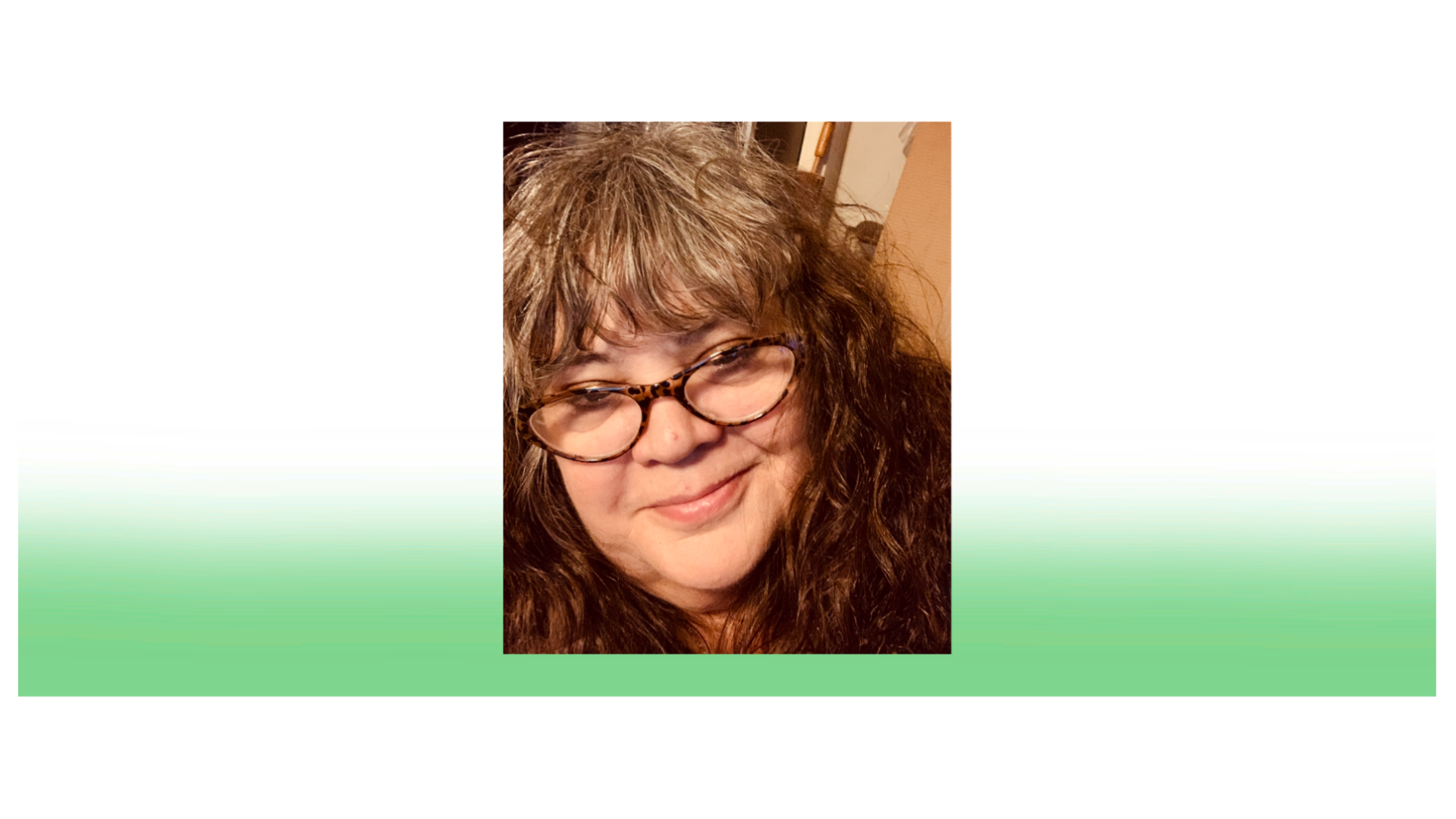
In our fifth installment of a series celebrating Tribeca’s people, places and past, we chat with Diane Lapson, long-time resident, President of the Independence Plaza North Tenants Association, and CFDC board member.
CFDC: When did you move to Tribeca?
DL: I moved to Tribeca in November 1975, after a brief stint in Greenwich Village. A bike ride past the shuttered West Side Highway and the half‑built Independence Plaza first drew my eye; the neighborhood looked bombed‑out—cracked streets, boarded warehouses, almost no residents—but something about the raw river light stayed with me. Within weeks I was determined to trade Thompson Street for this forgotten corner of Manhattan, and by Thanksgiving I was unpacking boxes on Greenwich Street.
CFDC: What is your personal connection to Tribeca?
DL: My bond with Tribeca began as curiosity. Friends rented the first finished apartments at Independence Plaza North, then called Washington Market. I visited, gazed at the Hudson, and felt an instant true tug. Brochures promised skating rinks and gardens; reality was very dark streets, empty storefronts, no supermarket. We organized, won zoning breaks, and lured the Food Emporium, a pizzeria, and Junior’s newsstand. Turning promises into real places became our shared hobby and personal purpose.
CDFC: What memories of your early days in Tribeca can you share?
DL: Early Tribeca felt like a frontier. Cobblestones made from 19th‑century ship ballast rattled our bikes, yet we loved them. Weekends the financial district was empty, so we cruised wide streets and river vistas, as if outside Manhattan. Operation Sail ’76 brought tall ships; my parents arrived in their little boat Thunderbolt. We planted guerrilla gardens on the lot that became Washington Market Park and watched historic houses trundled in on flatbeds for all to witness.
CFDC: Can you describe how Tribeca has changed over the years?
DL: Back then you needed a stroller with shock absorbers and nerves of steel. Streetlights were dim, police dismissed us as a 9‑to‑5 warehouse zone, and taxi drivers thought a fare below Canal was a mugging setup. Today Tribeca is a global brand with $10‑million lofts, artisanal coffee, and smoother cobbles—but the price has been homogenization and the loss of mom‑and‑pop stores. I miss the grit and possibility, yet I’m proud we proved the area was worth investing in.
CFDC: How would you describe the Tribeca community?
DL: Tribeca still feels like a small town under the skyscrapers. Sit on a bench and you’ll share news with neighbors all afternoon. After 9/11, I hauled a guitar to Harrison and Greenwich and we held a sidewalk sing‑along that turned into an impromptu block party—typical here. Births, funerals, Fourth‑of‑July fireworks: you don’t need invitations, just show up by the river. It’s a network of people who watch out for one another and always welcome newcomers into the conversation.
CFDC: What are your thoughts on supertall development in Tribeca?
DL: Luxury towers like the one proposed at IPN swap community for speculation. Tribeca’s soul was forged by middle‑class neighbors who won P.S. 234, our park, and affordable storefronts. If we replace them with investment pieds‑à‑terre, the neighborhood becomes a façade. The city already has surplus office buildings ripe for conversion; we shouldn’t sacrifice historic streetscapes. Development can happen, but only with permanent affordability, open space, and lasting, truly equitable, accessible benefits for people who live here.
CFDC: How do you see Tribeca changing in the next few years?
DL: In five years, I’d like to see Washington Market’s maritime roots revived—slip outlines traced, interpretive panels, even a pocket museum—plus gas‑lamp‑style lighting, intimate music clubs, and extra café tables where neighbors linger. Rather than another glass spire, picture green roofs, community classes in vacant storefronts, low‑rise housing, and sunsets unblocked by towers. Tribeca can stay lucrative without turning bland; with careful planning we preserve the big‑sky vista while adding heritage, culture, education, and opportunities for everyone.
CFDC: Is there a final thought that you’d like to share?
DL: Finding Tribeca in my twenties gave me a lifetime lesson in civic grit. Together we weathered blackouts, 9/11, Hurricane Sandy, and COVID, always bouncing back stronger. I worry that quick profits could undo 55 years of sweat equity, but I still believe in the residents’ capacity to fight for light, air, and the Hudson’s edge. Communities aren’t demolished overnight if the people who say “We are Tribeca” keep showing up, organizing, and passing the torch to the next generation.